Office of Academic Advising and Academic Coaching
Guiding students on their educational journeys through personalized, holistic support
Mission
In collaboration with the Student Success Center, our mission is to help students navigate academic challenges, clarify goals, build effective learning strategies, and make informed decisions that align with their personal, academic, and career aspirations.
What We Do
Located in the Keiss Library, the Office of Academic Advising and Academic Coaching offers:
- Academic planning and course selection
- Goal setting and decision-making
- Effective learning and success strategies
- Academic recovery and support
- Connection to campus resources
Explore tips and resources below about:
Contact Us
For undergraduate students: studentsuccess@gmercyu.edu
For online graduate students: onlinegradadvising@gmercyu.edu
Who We Are
Every GMercyU student has access to academic advising support.
Most undergraduate and graduate students are paired with an academic advisor, often a faculty member in their major, who can help them navigate their academic journey. In addition, the college has dedicated advisors who support students in specific undergraduate and graduate programs: Nursing (first and second year students), Health Studies, University Studies, and online graduate programs.
Meet the friendly team below!
Kim Cooney, Ed.D., Assistant Dean of Student Success and First Year Initiatives
cooney.k@gmercyu.edu
215-646-7300, ext. 21020
As the Assistant Dean, Kim works closely with the campus community to enhance the first-year experience in and out of the classroom. Some examples of this work include overseeing the University Success courses, advising the local chapter of Alpha Lambda Delta, and coordinating annual events like National First-Generation College Student Identity Day and National Transfer Student Week. Additionally, she co-leads our Ready, Set, Griffins! orientation program, which introduces incoming students to the university community, ensuring a smooth transition to college life. Beyond first-year initiatives, Kim also oversees academic advising and coaching through the Student Success Center as well as assists with data analysis and university retention efforts.
Kim holds an Ed.D. in Higher Education from Immaculata University where her dissertation focused on the social integration experiences of sophomore students. She also has an MS in Administration of Human Services from Chestnut Hill College and a BA in Psychology from Temple University. Throughout her higher education career of almost 20 years, Kim has consistently sought to bridge gaps in student support by designing programs that promote academic success, student engagement, and retention.
Outside of work, Kim is a proud wife and mother, enjoys volunteering at animal rescues and farms, baking, reading, and spending time with family and friends.
Chakola Hall, MSW, Academic Advisor & Student Success Specialist
hall.c2@gmercyu.edu
215-646-7300 ext 21323
Chakola Hall serves as the University Studies Academic Advisor & Student Success Specialist, supporting students as they navigate their academic journey and work toward achieving their educational and personal goals. She partners with students to develop academic plans, connect with campus resources, and build the skills necessary for success both inside and outside the classroom. Chakola provides guidance in areas such as academic planning, time management, study skills, goal setting, and overcoming obstacles that may impact student success.
Chakola earned her Bachelor of Arts in Sociology from Indiana University of Pennsylvania and her Master of Social Work from the University of Pittsburgh. She brings a diverse professional background that includes experience as a school social worker, family coach, and academic advisor. Her work has focused on supporting individuals and families through challenges, fostering resilience, and helping students develop the confidence and skills needed to thrive. She is passionate about empowering students and creating a supportive environment where all students can succeed.
Outside of work, Chakola enjoys spending time with her husband and four children. She is always planning her next trip to Disney as she is in love with all things Disney. She loves tackling DIY projects, exploring yard sales and thrift stores in search of hidden treasures, and is always ready for a competitive game of Scrabble.
Caitlin Giacomarra, M.Ed., Academic Advisor for Nursing and Health Studies
giacomarra.c@gmercyu.edu
215-646-7300, ext. 21486
Caitlin serves as an Academic Advisor at Gwynedd Mercy University, supporting first- and second-year students in the Nursing and Health Studies programs. She works closely with students to ensure they remain on track with curriculum guidelines and progress successfully along their designated academic paths. She also provides guidance on areas such as changing majors, time management, study skills, and more, fostering both personal and academic growth.
Caitlin is a proud two-time graduate of Temple University, holding a Bachelor of Arts in Strategic Communications and a Master of Education with a focus on Higher Education Student Success. She brings over six years of experience, with a background spanning both enrollment management and academic advising. She is dedicated to ensuring all students have access to higher education and the support needed to succeed.
Outside of work, Caitlin enjoys getting lost in a good psychological thriller or cheering on Philadelphia sports teams. She also loves exploring new coffee shops in search of the perfect iced latte, attending live concerts, and starting her weekends with an early morning run.
Jane Barnes, M.A.T., Academic Advisor & Retention Specialist
barnes.j6@gmercyu.edu
215-646-7300, ext. 21006
Jane serves as the Academic Advisor and Retention Specialist for Online Graduate Students pursuing their Doctorate in Education. In her role, Jane supports students in degree planning and academic progress while ensuring students are on track to complete their dissertations and advance their careers. She primarily utilizes appreciative and developmental advising approaches, working collaboratively with students, and leveraging their strengths to help them achieve their goals.
Jane earned her Bachelor of Arts in English, with a double minor in Biology and Honors Forum, from Skidmore College, where she served as the Head Tutor of the Writing Center. She then went on to pursue her Master of Arts in Teaching, with a double major in Secondary ELA and Special Education, from American University while teaching at a charter school in West Philadelphia. She has been serving GMercyU students since 2024.
Outside of work, Jane enjoys competing in combat sports, specifically Brazilian Jiu Jitsu and Kickboxing. She also enjoys exploring new coffee shops, reading literary fiction books, writing, and spending time with her fiancé and their dog and cats.
Julia Rowley, M.Ed., Academic Advisor & Retention Specialist
rowley.j@gmercyu.edu
215-646-7300, ext. 21022
Julia serves as the Academic Advisor for Graduate Online programs in Education and Counseling. In her role, Julia supports students in degree planning and academic progress with a focus on ensuring students feel prepared to attain their future goals.
Julia earned her Bachelor of Science in Psychology and her Masters in Higher Education Management from the University of Pittsburgh. Julia comes to GMercyU with 9 years of higher education experience from the University of Pittsburgh and Rutgers University-Newark. During her time in higher education, she has crystallized her advising philosophy to focus on strength-based and student-centered practice. And she cherishes the opportunity to create a safe and trusting environment for her advisees to ask questions and investigate opportunities
Outside of work, Julia enjoys being out in nature, reading a good book while snuggling with her cat, and spending time with her family.
Academic Advising: Tips and Resources
What does my advisor do?
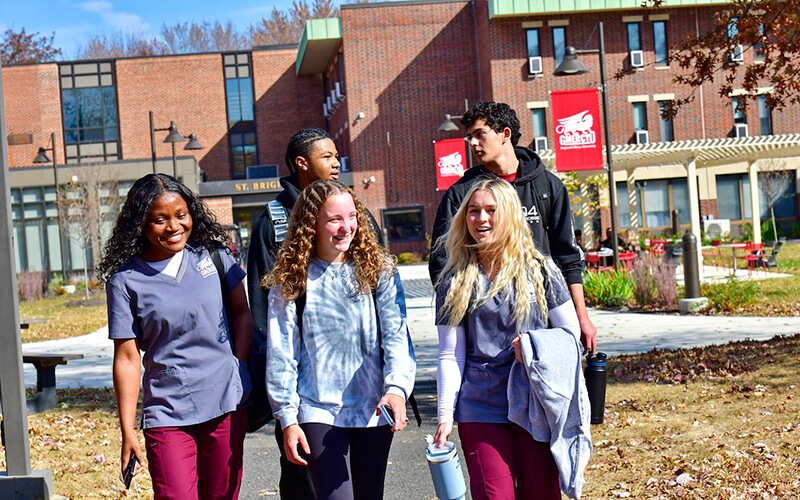
Your advisor is your partner in planning and supporting your academic journey. They help you understand your degree requirements, assist with course selection, explore GMercyU opportunities, and help you set and reach your academic and personal goals.
When should I speak with my advisor?
There are many reasons to connect with your academic advisor such as but not limited to:
- Planning courses for the next semester
- Adding, dropping, and withdrawing from a course
- Discussing your academic progress and long-term planning
- Determining your academic, personal, and career goals
- Identifying obstacles and possible solutions related to your academic success
- Exploring opportunities outside of the classroom
- Contemplating other academic opportunities such as a new major or minor
- Connecting with your advisor to identify other campus resources that may be helpful
How can I prepare for an academic advising session?
- Review your progress tab in Self-Service, academic program handbook (if applicable), and academic catalog
- Reflect on your current academic progress this semester and possible goals for next semester
- Review the registration systems and tutorials outlined on the Registrar’s webpage
- Create a list of possible questions
- Contemplate when and how you learn best (morning, afternoon, in-person, virtual, etc.)
- Brainstorm other ways to engage with the GMercyU community (on-campus job, clubs, etc.)
Major Exploration Tips and Resources
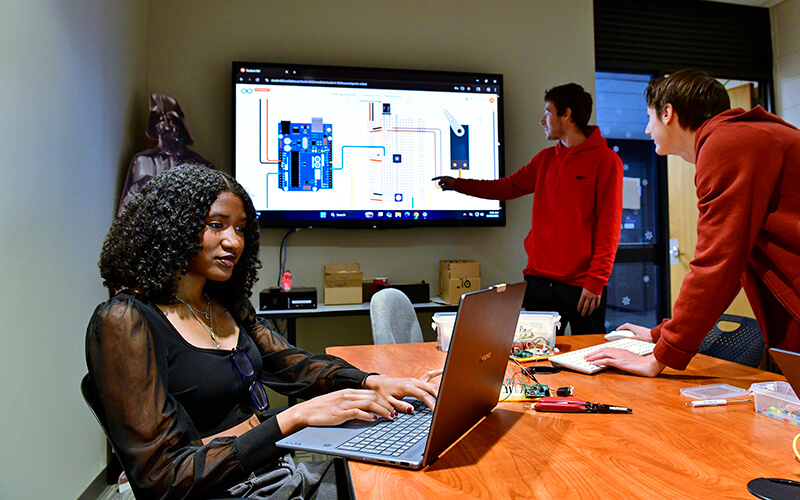 Major and career exploration are a part of your college journey. Here are some suggestions on the self-reflection process.
Identifying academic interests
- What subjects did you enjoy most growing up?
- What do you love to learn about outside of school?
- What motivates you?
Exploring professional paths connected to those majors
- What can you do with the majors you are interested in exploring further?
- What competencies do you want to focus on in your career (communication, leadership, etc.)
- See our Career Development Center page for help!
Understanding your personality, skills, interests, and values
- Personality: What are your natural qualities and traits?
- Interests: What do you enjoy doing?
- Skills: What are your strengths and areas for growth?
- Values: What is important to you?
Explore GMercyU's University Studies program for undecided / undeclared students, which includes dedicated academic advising and support to help you find the major and career path that is best for you.
Academic Coaching: Tips and Resources
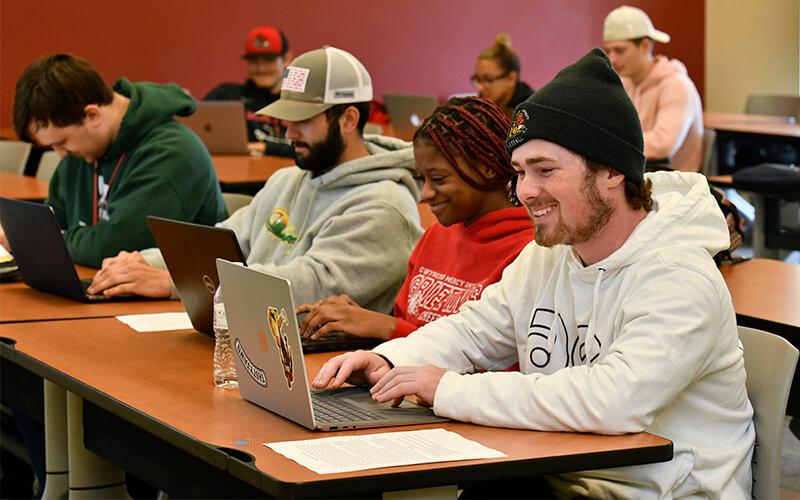
Academic coaching focuses on helping you develop the skills and strategies needed to succeed in college and beyond. We work with you to strengthen your habits, hone your skills, and create sustainable approaches to learning.
College Success Skills
Improve Your Time Management Skills
Time management is the ability to plan and use your time intentionally so you can meet academic responsibilities while also maintaining balance with your other commitments. In college, students often have more independence, making planning an essential skill.
- Use a weekly planner or digital calendar to map out classes, study time, and commitments.
- Break large assignments into smaller, manageable steps.
- Estimate how long tasks will take and schedule them realistically.
- Study in shorter, focused blocks (45–60 minutes) with breaks in between.
- Identify your most productive times of day and schedule your most challenging work for those times.
- Avoid multitasking - focus on one task at a time.
- Review your schedule each week and adjust as needed.
Improve Your Study Skills
Study skills are strategies that help you understand, retain, and apply your course material effectively. Successful studying often involves active engagement with course content rather than passive engagement, such as rereading or highlighting.
- Review notes within 24 hours of class to reinforce what you learned.
- Use active study strategies such as practice questions, summarizing or teaching concepts to someone else – a friend, parent, peer, etc.
- Start early! Study consistently instead of cramming for an exam.
- Incorporate practice tests into your study routine frequently to check your understanding.
- Study in a distraction reduced environment.
- Take a break when needed to avoid burnout. The Pomodoro method (25 minutes of studying, 5-minute break, repeat) is a great technique if you struggle with cramming.
Stay Motivated
Motivation is the internal or external drive that helps you to begin tasks, stay engaged, and persist through challenges even when it is difficult. Motivation fluctuates frequently, but routines and strategies can help you identify your unique motivators and maintain momentum.
- Set specific, achievable goals for each study session. Try using S.M.A.R.T goals – which stand for Specific, Measurable, Achievable, Realistic, Timely.
- Think about your why! Connect your coursework to your personal goals or future career plans to remember why the task you are doing is meaningful.
- Reward yourself (with realistic rewards) after completing tasks or reaching your goals. Plan to hang out with friends, buy yourself your favorite snack, watch an episode of a show you love, etc.
- Try studying or working on assignments with partners or groups who will help you stay focused and engaged.
- Start small by working on a task for 5-10 minutes – momentum often builds once you begin.
- Focus on your progress rather than perfection.
Succeed in an Online Environment
Online learning often requires strong self-management, communication, and engagement skills because structure and professor-student interaction may be less visible than in a traditional in-person classroom setting.
- Review announcements, emails, and deadlines regularly. Be sure to turn on your notifications so you don’t miss key communications from your professor.
- Designate a couple of days a week to your online class – treat it as though it is an in-person class where you need to log in to your course on Tuesdays/Thursdays or Wednesdays/Sundays, etc.
- Identify and commit to a dedicated study space when possible.
- Reach out to instructors as soon as questions arise – don’t forget that they are there to support you!
- Keep a written list of weekly tasks and due dates to review frequently.
- Minimize distractions by closing out unrelated tabs or apps. Put your phone in a different room or turn it off if needed.